The second failure of Vedanta’s Open offer in the last 6 months. The first offer was in October 2020 where the promoter was only able to get on 125.47 cr bid against the required 134 cr shares. And the second offer was in march which was to acquire 17% in its Indian subsidiary and was offered at revised price of ₹235 a piece from ₹160 a piece. This second offer got bid by just 57.5% in which only 37.42 cr shares were tendered against 65.1 cr shares if this offer gets accepted by them then it will raise their stake by 10.01% totalling to 65.18%.
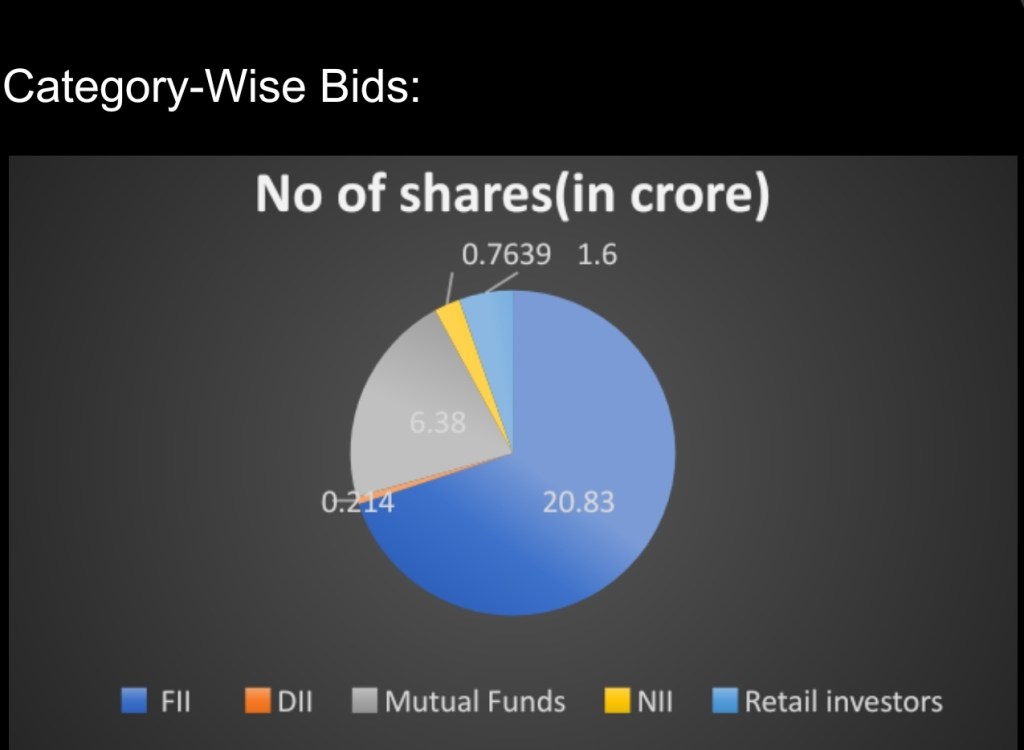
The stock has been seeing a huge bull rally lately. Vedanta, which is a major metal company in the sector, is into the business of aluminium, zinc, copper, steel, iron ore and overall, it has very well diversified its business in the metal space.
Besides, Vedanta also holds around 65% stake in Hindustan Zinc, which is a cash-rich company. Hind Zinc is known for giving huge dividends to the investors and experts predict that there is going to be a huge upside in this metal stock. Moreover, in the crude oil, Cairn Oil & Gas vertical of Vedanta can also see an improvement in the earnings. Despite the huge rally in benchmark indices and broader markets, Vedanta shares are down from its all-time high of ₹495 apiece. Life Insurance Corporation, one of the biggest investors in the equity market, had also valued this company’s stock at around ₹320 per share a 267% premium over the floor price of ₹87.52. If the company accepts this 57.5% bid offer company cannot launch new open offer in within one year. Investors should not tender their shares because company was ready to buyback their shares at ₹87 and₹150 and now their offer is ₹235 a piece one should wait even when LIC quoted price of ₹320 a piece. As per the rules of SEBI a promoter can buy 5% of its company shares from public market if the current stake in its company is more than 25% and less than 75%. So they have bought 5% when they were holding 50.14%.
Promoter of the Indian listed company will have to acquire atleast 50%f the public shareholding in their firm or 90% in total equity capital which ever is higher to delist successfully.

 The Finance Diaries